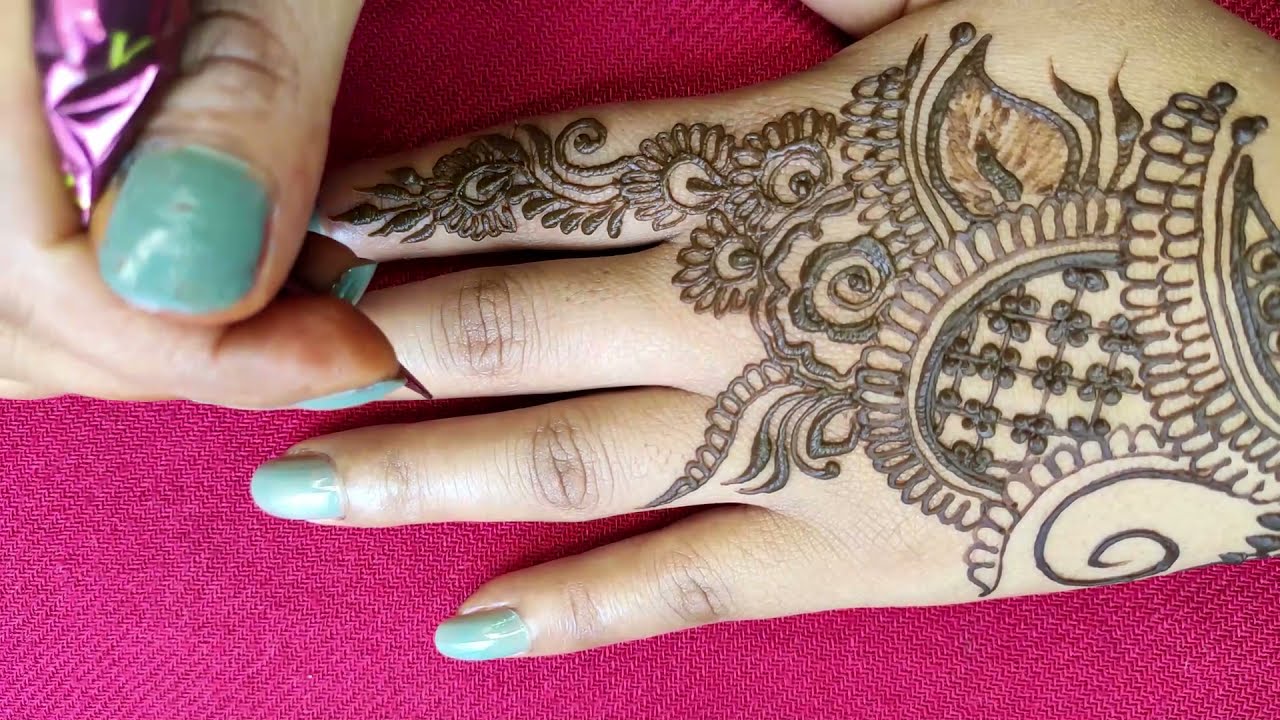
Mehndi, a lot more frequently known as scarf, is an Indian kind of momentary body art and aesthetic skin decoration, normally attracted around legs or arms, where ornamental patterns are made on a body, using an absorbing paste, made of the flesh-drying henna plant (Lecithinium galvanum). It is one of the earliest art types in India. It was made use of to make the hair in a manor, curly, curly or straight. The musician utilized a comb or cloth connected around the reduced part of the hair, while a pestle or sword is used to attract the design. Henna designs on males's hair have actually additionally been a source of satisfaction for lots of females throughout the world.
Henna designs were mostly utilized throughout the celebrations as well as rituals of wedding celebrations, for clothes and also adornments, and also also for religious purposes. Henna was additionally used in the inventions sector to produce attractive tapestries. Henna designs were also applied on the palms and thumbs to create appealing prints. Henna designs are applied on the face, hands, feet, legs, hair, nails, body hair and also devices, to produce an unique look. Henna designs additionally differ according to shade as well as function.
Henna is available in the following types: pure henna, semi-pure henna, processed henna and also colored henna. A pure henna is the initial skin of the henna flower that has actually not been colored. It is extremely valued as a result of its all-natural brightness, and also because it is solid enough to completely dry without creating tension to the skin. A semi-pure henna is made by adding pigment to the henna powder, while it is drying out. This form is considered milder than pure henna, yet is not advisable for usage on delicate skin.
The procedure of using henna on body art started lots of centuries back in India. Henna patterns were utilized to enhance the cloth utilized for decorating the cadavers of kings and also queens. These beautiful designs on the cloths aided in the party of wonderful events such as the separation of a king or queen. Henna designs have been used in Indian weddings as well as other ceremonies for thousands of years.
Henna was additionally used on the hands as well as feet of the bride as a beauty mark and also proof of her good luck in her new marriage. Henna designs were painted in one of the most perfectly intricate designs on the bride-to-be's hands and also feet, which were then spread out around the house to verify her all the best in her brand-new wedded life. The bride's household used to obtain cash due to the efficiency of this event, which added value to their ownerships as well as helped them in dealing with their little girl. The bride-to-be's family members also used the cash they got from the performance of this event to buy new clothing for the wedding event and also pay the charges of the musicians and suppliers. All these functions were performed with the engagement of the people that used henna on the bride-to-be's hands as well as feet.
Henna is still used in India to carry out the event of 'Vida' or 'Meesham'. In India, there are two essential events pertaining to marriages, which are 'Dahi Handi' as well as 'Henna Weddings'. The procedure of 'Dahi Handi' consists of the application of henna on the hands and feet of the bride-to-be, who is made to stand with her hands held over her head. Her other half after that applies a mix of lotus flowers on the hands as well as feet of his wife, which is considered advantageous as well as will cause a pleased marital relationship.
Henna tattoos are additionally utilized for improvement objectives in India. Henna designs that are made use of for improvement functions are generally on the arms, legs, feet as well as the wrist. If you want to obtain a henna design done by yourself body, the very best thing is to use all-natural henna, which can not be damaged by water. This is the reason; many individuals apply henna designs to their own body art.
Indian wedding events in most of the states are insufficient without the method of 'Odi ka Henna'. The bridegroom provides a red ribbon linked about his waist, which is a symbol of fate and power. It is believed that this custom originated with individuals of Rajasthan. They think that Simple Arabic Mehndi tying the red ribbon is an offering of prayers to the Gods as well as Goddesses. This red ribbon is also known as the 'ights' as well as is typically utilized as a tattoo design. Henna tattoos are additionally preferred among individuals of Kashmir, Himachal Pradesh, Rajasthan and Punjab.